What Is a Mortise Lock and Why Chicago Homes Still Rely on Them
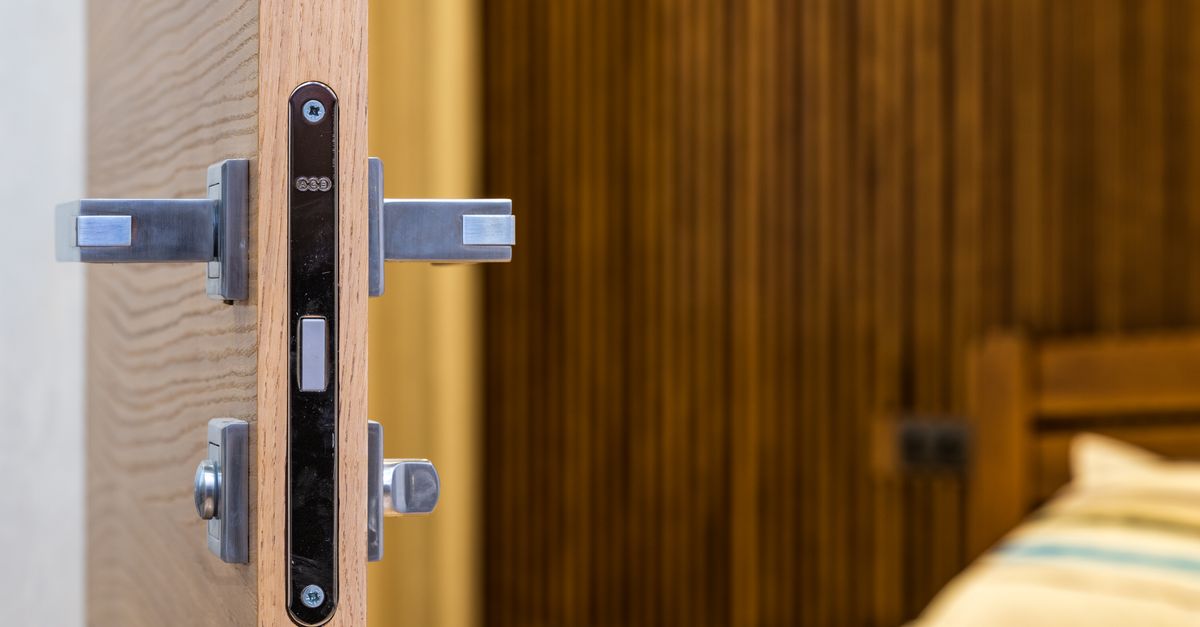
A mortise lock is a complete locking mechanism — latch bolt, dead bolt, and strike hardware — housed inside a pocket (the mortise) cut into the door itself. The visible face plate sits flush with the door edge, and the trim pieces on each face of the door hold the cylinder on one side and a thumb turn or knob on the other. Because so much of the mechanism is inside the door, a properly installed mortise lock offers outstanding resistance to kick-in and pry attacks, which is exactly why building contractors specified them through most of the early 20th century. Walk through the Wicker Park or Bronzeville historic districts today and nearly every original interior door still carries one.
Over time, the internal components — the cam that links the cylinder to the bolt, the springs behind the latch, the case itself — wear or corrode. A common symptom in Chicago's freeze-thaw climate is a bolt that sticks in winter because the door frame has swelled slightly and the throw adjustment is no longer calibrated. Another is a mortise lock cylinder that turns but does not fully engage the cam, meaning the door feels locked but the bolt hasn't extended. These are mechanical problems with mechanical solutions, and our technicians diagnose them on-site rather than defaulting immediately to full replacement.