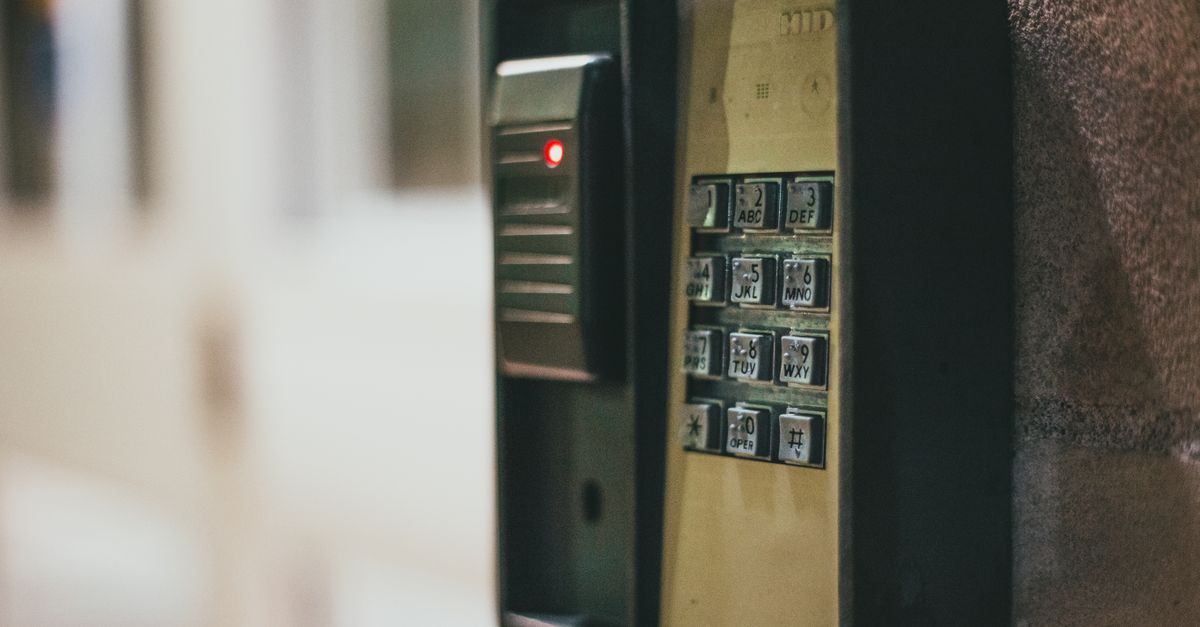
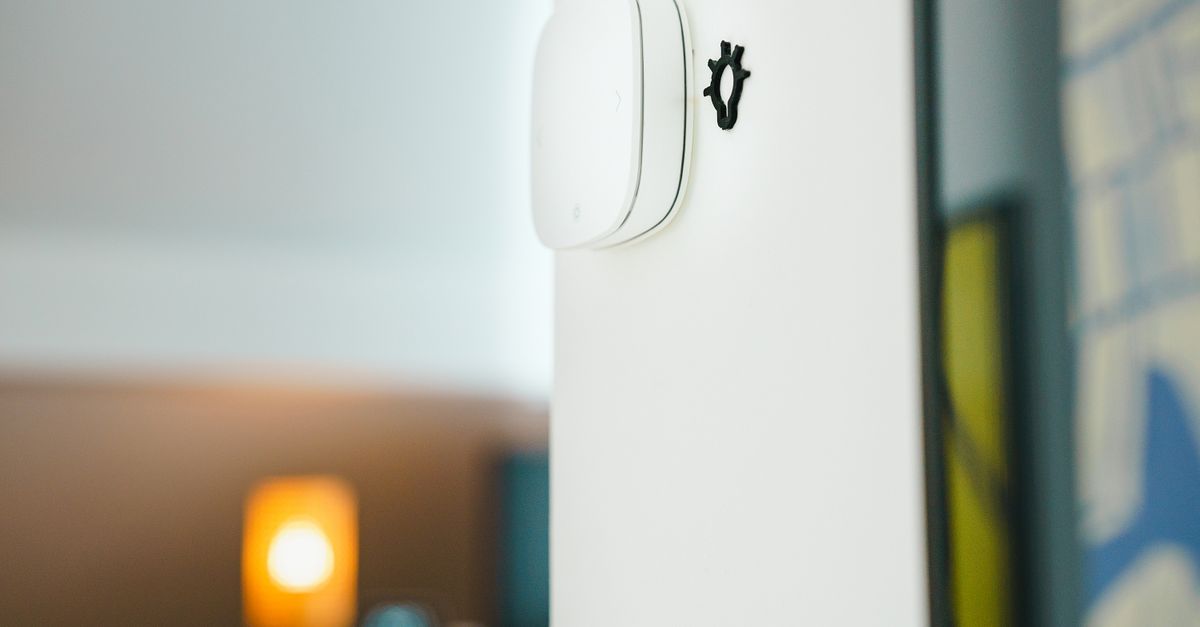
What Smart Lock Installation Actually Involves — Beyond Swapping Hardware
Most people imagine smart lock installation as a simple swap: unscrew the old lock, bolt on the new one, download an app. In practice, a successful installation hinges on a careful pre-installation audit. Our technicians check door edge prep (mortise pocket dimensions if applicable), door thickness, backset measurement, door handing, and whether the existing strike plate and frame are reinforced enough to support the new hardware's weight and torque requirements. Skipping these steps is why DIY installs often result in a misaligned latch, a door that won't fully close, or a lock that pairs to the app but fails to retract under load.
We also evaluate the wireless environment. Bluetooth-only smart lock door knob and deadbolt models behave differently from Z-Wave or Wi-Fi enabled units, and Chicago's dense multi-unit buildings can create interference that affects range and response time. We confirm the hub or bridge placement, walk you through adding household members, setting access schedules, and enabling auto-lock timers — so you walk away with a fully functioning system, not just installed hardware.