
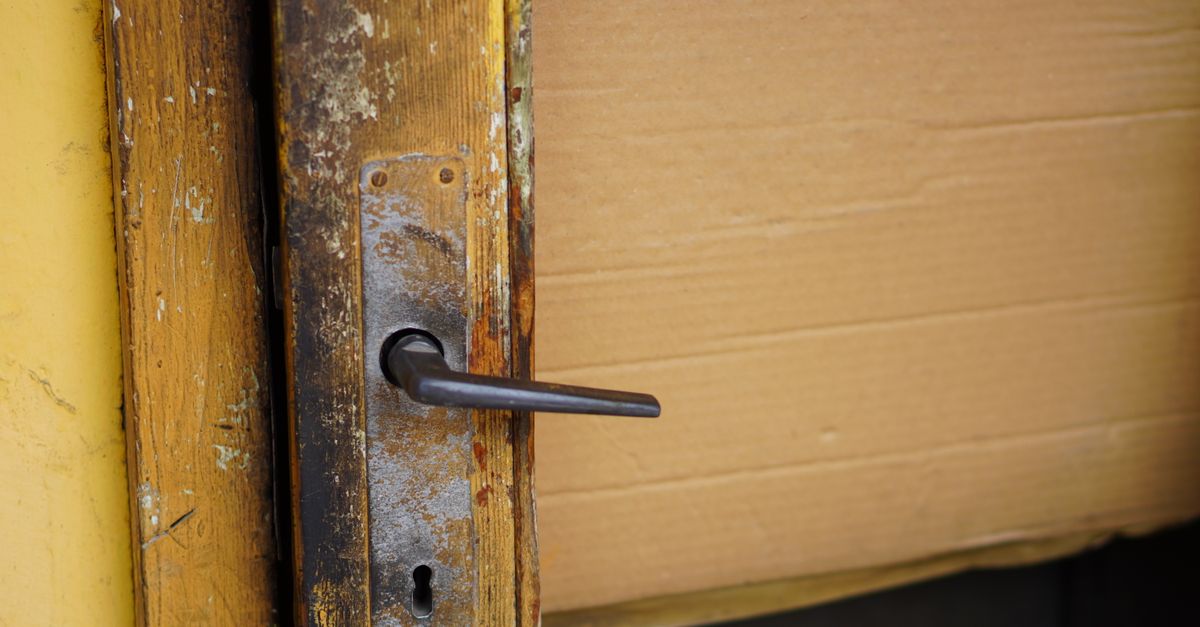
Signs It Is Time for a Door Knob Lock Replacement
Not every lock problem is subtle. A knob that spins freely without retracting the latch, a keyway that accepts the key but will not rotate, or a lever that sags visibly toward the floor are all clear signals that the mechanism inside has failed. Subtler warnings include a latch that does not spring back fully, a lock that requires you to lift or push the door simultaneously to turn the key, or visible corrosion around the faceplate. These are not quirks to adapt to — they are security vulnerabilities. In multi-unit buildings along Wicker Park's Damen corridor, for instance, a failing entry knob or lever on a shared hallway door can expose every tenant on the floor.
Beyond security, worn hardware simply reduces daily quality of life. A stiff double lock door knob on a rental unit bedroom frustrates tenants and can create liability for landlords. A lever handle that requires two hands to operate becomes a serious accessibility problem. When you notice any of these symptoms, the right move is a proper replacement, not another round of lubrication spray. Our technicians assess the door prep, the existing hardware footprint, and the locking needs of the space before recommending the right grade of replacement — whether that is a Grade 2 residential knob lock or a full commercial-grade mortise lock with anti-pick pins and reinforced strike plate.