How Transponder Key Programming Works — and Why It Matters
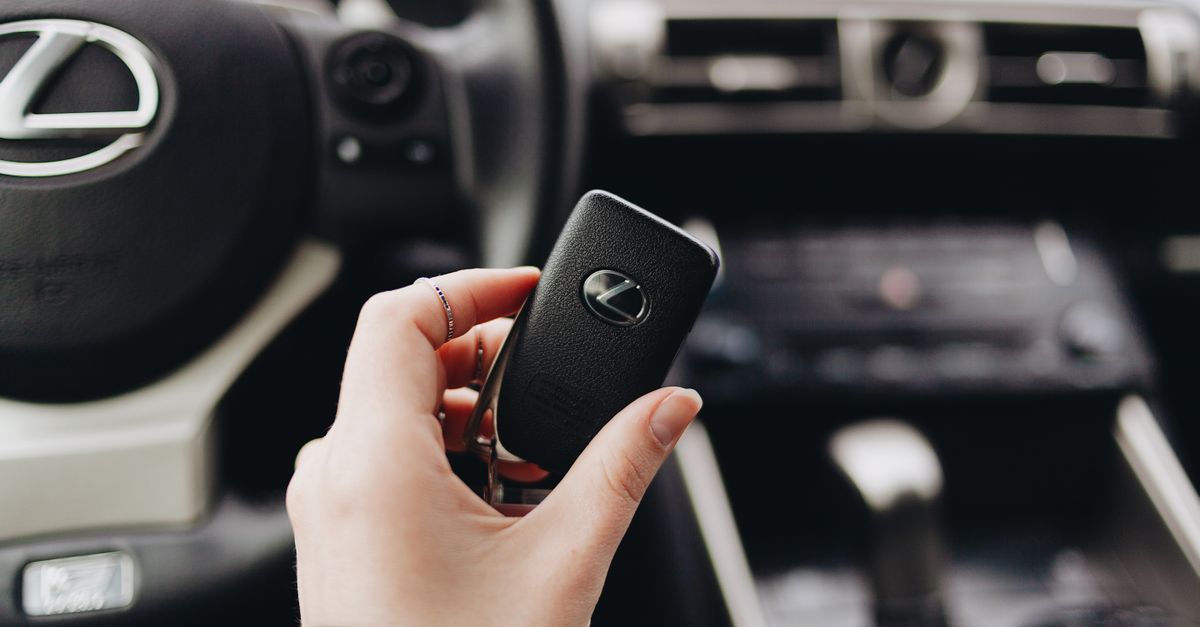
A transponder key contains a passive RFID chip that requires no battery of its own. When you insert the key, the ignition coil ring sends a low-frequency radio signal that powers the chip momentarily, prompting it to broadcast a unique identification code. The vehicle's ECU checks that code against its stored memory. If the codes match, the immobilizer disengages and the engine starts. If they do not match — or if the key is completely unprogrammed — the immobilizer stays active regardless of whether the mechanical cut of the blade is correct. This is why a freshly cut replacement key that has not been programmed will turn in the ignition but the engine will not fire.
Transponder key programming requires OBD-II diagnostic access, manufacturer-specific software, and in many cases the ability to read and write directly to the vehicle's immobilizer module. Our technicians carry multi-platform programming devices that handle everything from older fixed-code systems to current proximity smart keys and push-button start fobs. We come to you — whether you are stranded in a parking structure off Michigan Avenue, stuck outside a workplace in Bridgeport, or at home in Logan Square — so there is no need to arrange a tow or take a day off for a dealership appointment.