Why Keys Break — and Why the Lock Type Changes Everything
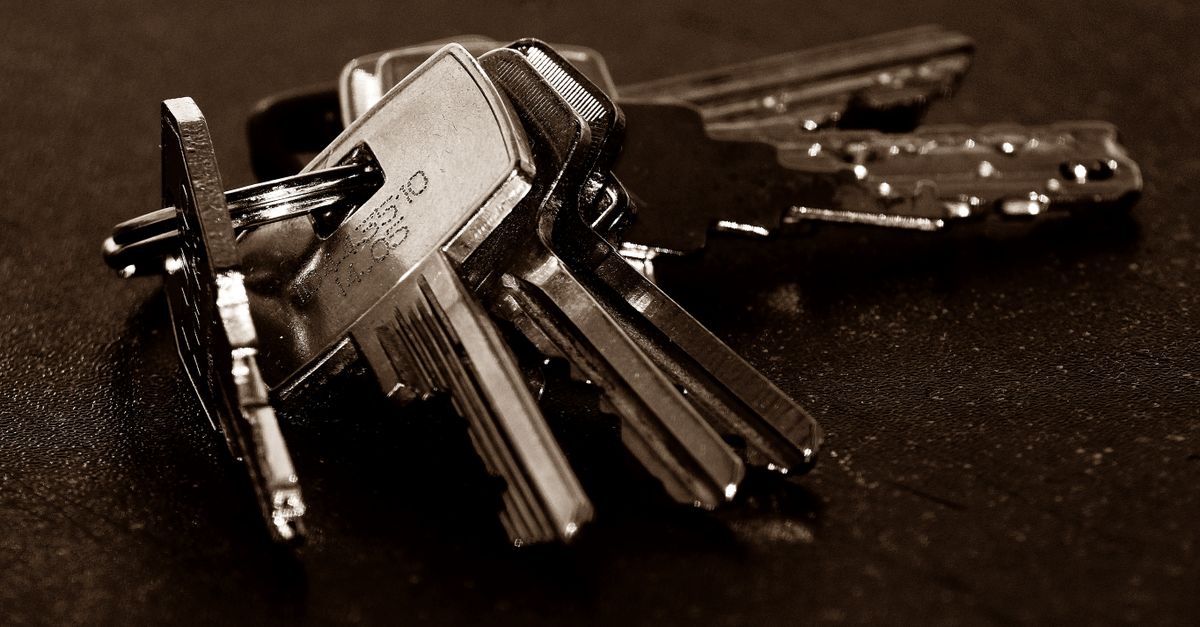
Keys fail for predictable reasons: repeated bending stress over time, a key blank that was cut slightly off-spec, a lock cylinder that has become stiff from dirt or lack of lubrication, or the simple bad luck of an extremely cold Chicago winter morning when metal contracts and grip strength goes up. The break point is almost always at the bow-to-blade junction or at a deep cut along the blade itself. Understanding this matters because the fragment's position inside the cylinder — how deep it sits, whether it has rotated with the plug, and whether any pins are sitting on top of it — dictates which extraction technique a skilled technician will use.
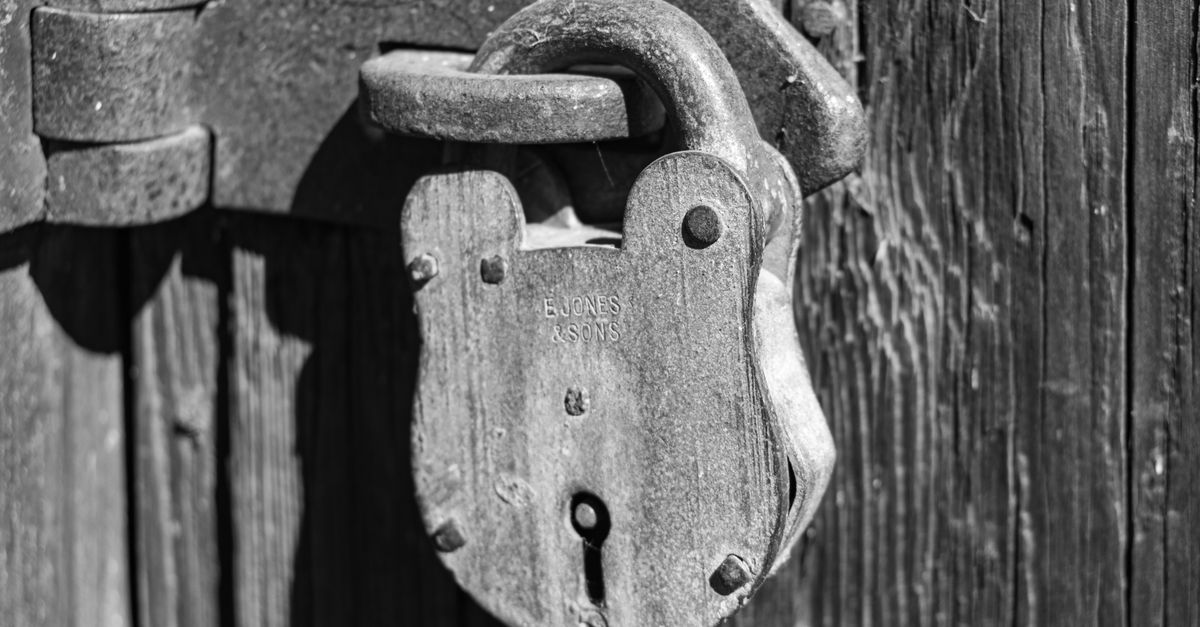
The type of lock involved matters enormously. A standard residential door knob lock has a relatively narrow keyway and a short plug, meaning a fragment sitting at the shear line can often be coaxed out with a thin extractor hook in a few minutes. A commercial mortise lock is a different story entirely. Mortise locks are embedded directly into the door's edge rather than surface-mounted, and they have longer, more complex internal mechanisms. A broken key in a mortise lock cylinder can travel deeper into the cam and lever assembly, requiring a technician who genuinely understands how mortise lock internals work — not just someone who has seen a deadbolt before. Our technicians work on mortise lock hardware regularly, from vintage Chicago two-flat entry doors to modern commercial office suites, and that hands-on familiarity is what makes the difference between a clean extraction and a damaged cylinder.