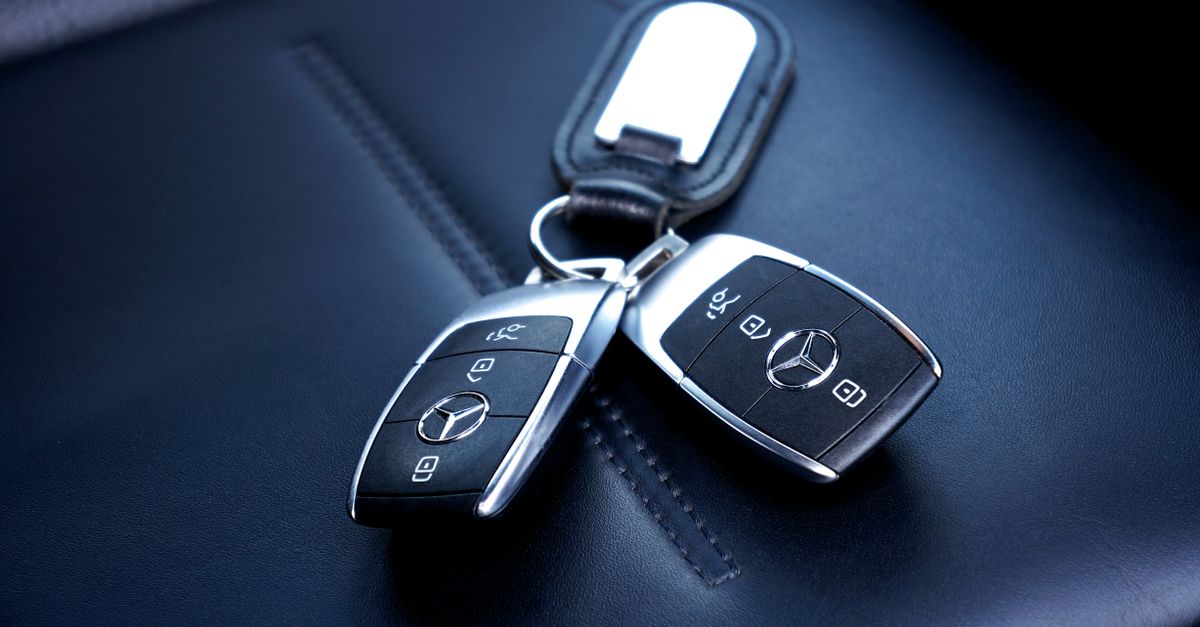
BMW Car Key Replacement: What Makes It Different From a Standard Key Job
BMW has used layered security technology in its keys since the mid-1990s, and each generation has added complexity. Older BMW models use a basic transponder chip embedded in the key blade — the chip must be programmed to match the vehicle's immobilizer or the engine simply will not start. Mid-generation models introduced the comfort access key fob, which adds proximity detection so the car can sense the key in your pocket. Current BMW models rely on the Display Key or the BMW Digital Key, which communicates through UHF radio frequency and, in some trims, through your smartphone. Each of these requires different equipment, different programming protocols, and a technician who stays current with BMW's evolving system architecture.
That is exactly why BMW car key replacement is not a job for a general hardware store or an inexperienced shop. Our technicians are trained specifically on European vehicle key systems and arrive in a fully equipped mobile unit. We can cut a new BMW key blade to your door lock or ignition profile, program a new transponder or smart key to your vehicle's ECU, and synchronize a replacement fob — all on-site in most cases. For Chicago drivers dealing with a BMW X5 with locked keys in the car, or an X3 or X1 locked out in a restaurant parking lot on Randolph Street, this mobile capability means the difference between a two-hour delay and getting back on the road quickly.