Roy Chicago Locksmith Service Team
Local locksmith team
May 1, 2026 10 min read
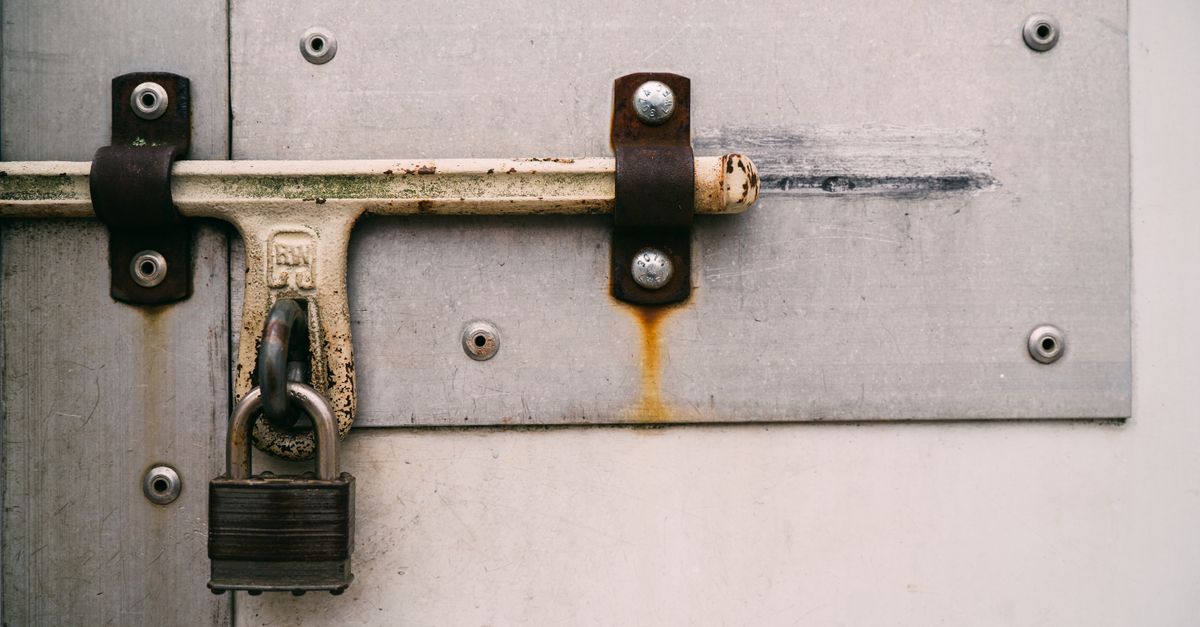
If you own a rental property in Chicago — whether it's a two-flat in Logan Square, a six-unit building on North Clark Street, or a single-family home you lease out in Beverly — one of the most important things you can do between tenants is rekey or replace the locks. It sounds simple, but a surprising number of landlords skip this step, and the consequences can range from awkward to genuinely dangerous. Former tenants may still have keys. Subtenants, ex-partners, or contractors who were given copies during the lease may never have returned them. Every unreturned key is a security liability that you, as the property owner, are responsible for managing.
Chicago landlords also operate under specific obligations and best practices that go beyond just swapping a deadbolt. Understanding when a rekeying is sufficient, when a full lock replacement makes more sense, and how a well-designed master key system can make managing multiple units far less chaotic — these are the decisions that separate reactive landlords from professional ones. This guide walks you through everything you need to know, with practical advice rooted in how Chicago rental properties actually work.
## Why Chicago Landlord Lock Rules Make Rekeying Non-Negotiable
Under the Chicago Residential Landlord and Tenant Ordinance (RLTO), landlords are required to provide tenants with a dwelling that is safe and secure, and that includes functional, properly keyed locks on all entry doors. While the RLTO does not spell out a word-for-word rekeying mandate the way some other city codes do, the practical and legal expectation is clear: a new tenant should never move in with locks that a previous tenant could still open. Failure to rekey between tenants creates a negligence exposure that no responsible property manager wants to face — especially if a former tenant uses an outstanding key to gain unauthorized entry.
Beyond the legal angle, there is a straightforward ethical dimension. Your new tenant is paying for a secure home. They deserve to know that the only people who can walk through that front door are the people they choose to let in. Rekeying costs a fraction of what a single security incident — or a single lawsuit — would cost you. It is one of the most cost-effective property management decisions you will make, and it should be scheduled as a standard line item every time a unit turns over.
## Mortise Lock Systems: The Chicago Landlord's Most Important Hardware Decision
Older Chicago buildings — and there are a lot of them, given the city's enormous stock of greystone two-flats, courtyard buildings, and pre-war walkups — are frequently fitted with mortise locks rather than the cylindrical locks you see in newer construction. A mortise lock is a heavier-duty mechanism that is installed by cutting a rectangular pocket (the mortise) into the edge of the door itself. The lock body sits inside the door, making it significantly more resistant to forced entry than a standard door knob lock or simple deadbolt. If your building has mortise locks, a qualified locksmith should be your first call — these are not hardware-store swap-out jobs.
When a mortise lock is rekeyed, the cylinder inside the lock body is re-pinned so that old keys no longer work and new keys are cut to match the fresh pin configuration. This process requires a trained locksmith who understands the specific mortise lock brand and mechanism involved, whether that is a legacy unit installed decades ago or a modern high-security replacement. Roy Chicago Locksmith works extensively with mortise lock systems throughout the city — from courtyard apartments near Wrigleyville to vintage coach houses in Hyde Park — and our team understands both the older mechanisms common in Chicago's historic building stock and the specifications for modern replacements. If you are unsure whether your building has mortise locks, look at the edge of the door: if the lock hardware is flush with the door and the latch and deadbolt are part of one integrated unit, you almost certainly have a mortise system.
## Rekeying vs. Full Replacement: How to Choose for Your Rental Unit
Rekeying is the right call in most routine tenant-turnover situations. The existing lock hardware stays in place; a locksmith simply changes the internal pin configuration so that only newly cut keys will operate the lock. This approach works well when the locks are in good mechanical condition, when the door and frame are solid, and when you simply need to invalidate all outstanding keys from the previous tenancy. It is faster than a full replacement and involves fewer parts, which is why it is the standard recommendation for well-maintained rental properties with sound hardware.
A full lock replacement makes more sense in specific scenarios: when the existing lock is worn, damaged, or has been tampered with; when you are upgrading security as part of a major renovation; when a tenant reports a break-in attempt that has compromised the door hardware; or when you are standardizing hardware across multiple units and switching to a master key system. In these cases, swapping out a tired door knob lock for a commercial-grade deadbolt or a new mortise lock assembly is the smarter long-term investment. Roy Chicago Locksmith can assess your current hardware on-site and give you a straightforward recommendation — no upselling, just an honest evaluation of what your property actually needs. Call us at (773) 289-0025 to schedule a property walkthrough or to get a lock assessment before your next tenant moves in.
## Master Key Systems for Multi-Unit Buildings: Practical Setup for Chicago Landlords
If you manage more than two or three units, a well-designed master key system is one of the most practical tools available to you. In a master key system, each tenant has a unique key that opens only their unit, while you — as the property manager or owner — hold a master key that can open every unit in the building. Maintenance staff can be issued sub-master keys that open a specific subset of units, which is useful for larger buildings where different contractors handle different floors or sections. The entire system is hierarchical and can be expanded as you add units or refine access levels.
Setting up a master key system is not a DIY project. It requires careful planning, precise key cutting, and a locksmith with genuine experience in commercial locksmith work and access control hierarchy. The locks used must be compatible with master keying — most quality mortise locks, and many cylindrical locks from brands like Schlage, are designed with this capability built in. Once the system is in place, rekeying individual units between tenants is a straightforward process that does not require redesigning the entire hierarchy. Roy Chicago Locksmith has helped landlords across Chicago's North Side and South Side neighborhoods set up and maintain master key systems, and we can work with your existing hardware where possible to keep the project practical and efficient.
## Emergency Locksmith Situations Landlords Actually Face — and How to Handle Them
Being a Chicago landlord means eventually getting a 2 a.m. call from a tenant locked out of their unit, or arriving at a property to find that a former tenant has changed the locks in violation of their lease, or discovering a door knob lock has been forcibly damaged during a break-in. These are real emergency locksmith scenarios, not edge cases. Having a 24/7 locksmith relationship in place before a crisis happens is the difference between a manageable situation and a chaotic one. A lockout situation involving a tenant requires both speed and professionalism — you need someone who can verify ownership, assess the hardware, and resolve the situation without causing unnecessary damage to the door or frame.
For landlords dealing with a post-break-in emergency, the immediate priority is securing the property: boarding up if needed, replacing or rekeying compromised locks, and ensuring the door frame and strike plate are intact. An experienced commercial locksmith can assess whether a damaged mortise lock can be repaired on the spot or needs full replacement, and can often complete the work in a single visit so the unit is secure before you leave the property. Roy Chicago Locksmith is available around the clock — there is always a real person answering at (773) 289-0025, whether it is a Tuesday afternoon or a Sunday night during a Chicago winter storm. Our team is mobile and dispatched from within the city, so response times to neighborhoods across Chicago are practical, not theoretical.
## What Determines the Cost of Lock Work for Chicago Rental Properties
One of the most common questions landlords ask is how much does a locksmith cost in Chicago — and the honest answer is that it depends on several specific factors. The type of lock matters enormously: rekeying a standard cylindrical lock is a different scope of work than servicing a complex mortise lock or designing a master key system for a twelve-unit building. The time of day is also a factor — work performed outside of standard business hours carries different pricing than a daytime appointment. Travel distance and parts required (new cylinders, hardware, key blanks, lock bodies) all figure into the final quote as well.
Some landlords ask where they can find a cheap locksmith in Chicago, or what to do if they cannot afford a locksmith — and we understand the impulse to manage costs on a rental property. But the more useful framing is value: what does the work actually protect, and what does cutting corners actually risk? A poorly rekeyed lock or an incompatible master key system can compromise tenant security, create legal exposure, and cost far more to fix later than doing it right the first time. What we can promise is transparency: Roy Chicago Locksmith confirms an exact, up-front price before any work begins. No surprise charges, no after-the-fact additions. You know the full scope and cost before we pick up a single tool. Is there a 24-hour locksmith in Chicago? Yes — we operate around the clock, every day, because rental property problems do not observe business hours.
Frequently asked questions
How often should Chicago landlords rekey their rental units?+
At a minimum, locks should be rekeyed every time a tenant vacates a unit — no exceptions. If a tenant reports a lost or stolen key during their tenancy, that is also a rekeying trigger. Landlords who manage high-turnover properties or short-term rentals may want to schedule rekeying even more frequently. A professional locksmith can assess your specific situation and recommend an appropriate cycle for your building type and tenant history.
What does an emergency locksmith cost for a rental property situation?+
The cost of emergency locksmith work depends on the type of lock involved (a mortise lock requires different expertise and parts than a standard door knob lock), the time of day the call comes in, the location of the property within the Chicago area, and whether parts like new cylinders or lock bodies need to be supplied. Roy Chicago Locksmith provides an exact, confirmed quote before any work begins, so there are no surprises on the invoice. Call (773) 289-0025 to describe your situation and get a clear answer.
Can a landlord legally change a tenant's locks mid-lease in Chicago?+
Under the Chicago Residential Landlord and Tenant Ordinance, landlords are generally prohibited from changing a tenant's locks as a form of self-help eviction — that is, using a lock change to pressure a tenant to leave without going through the proper legal eviction process. There are narrow exceptions, such as when a court order permits it or when a tenant specifically requests a lock change for safety reasons. If you have questions about your specific situation, consult a Chicago attorney familiar with the RLTO before taking any action.
Is a master key system the right choice for a small two-flat in Chicago?+
For a two-flat, a full master key system is often more infrastructure than you need — simple rekeying between tenants is usually sufficient. However, if you own multiple two-flats in the same neighborhood or manage a portfolio of small buildings, a master key system designed around your entire portfolio can dramatically simplify your access management. A commercial locksmith experienced with Chicago's building stock can help you evaluate whether the investment makes sense for your specific situation and how to structure it practically.